
Winter Outdoor Activities for Pennsylvania Kids
Winter hits. Temperatures drop. Your 4th or 5th grader announces they’re bored.
You’re tempted to surrender to screens and indoor everything. But here’s what pediatric experts at HealthyChildren.org want you to know: kids still need 60 minutes of daily physical activity, even in February.
Pennsylvania’s outdoor recreation economy generates $19 billion annually because winter doesn’t stop adventure. It just changes the approach.
When It’s Actually Safe to Go Outside
The American Academy of Pediatrics provides clear guidance: avoid outdoor play when temperatures or wind chills drop below -15°F. At these extremes, exposed skin begins freezing within minutes.
For everyday cold? Use this simple system recommended by Boys Town Pediatrics:
Green Zone (30°F and higher): Go outside. Layer clothes, wear hats and mittens, offer water frequently.
Yellow Zone (20-30°F): Extra caution. Watch for shivering. Limit outdoor time. Layer strategically.
Red Zone (Below 20°F wind chill): Stay indoors. The risk to skin becomes too great.
Your pass works year-round. Ski resorts offer a lodge to warm up. Caves have consistent temperature all year long. Choose what fits the day.
Layer Like You Mean It
Forget the giant puffy coat alone. That’s not how warmth works.
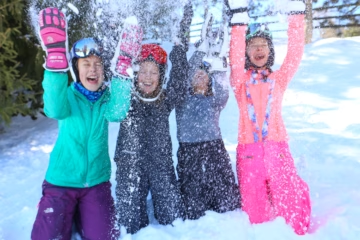
According to Children’s National Hospital, effective winter layering requires three distinct layers working together:
Base Layer: Moisture-wicking fabrics that pull sweat away from skin. Wool or synthetic materials work. Cotton fails because it holds moisture and makes kids colder. Long-sleeve shirts and leggings create the foundation.
Mid Layer: Insulation that traps body heat. Fleece jackets, wool sweaters, or lightweight puffer coats add warmth without bulk. Leave room for air pockets because that’s where insulation happens.
Outer Layer: Waterproof and windproof protection. Snow pants and insulated jackets keep weather out and warmth in. Check that boots are waterproof, not just water-resistant.
REI experts note one critical detail: layers should fit the same size. Don’t buy oversized outer layers hoping they’ll last longer. Ill-fitting gear doesn’t perform.
The Parts Kids Forget (And Parents Miss)
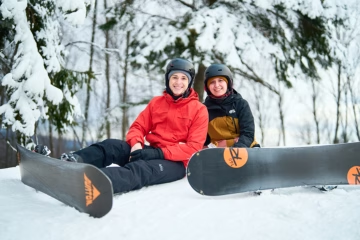
Extremities matter more than you think. According to Michigan State University Extension, children lose heat rapidly through heads, hands, and feet.
Mittens outperform gloves for elementary-age kids because they keep fingers warmer and slide on faster. Hats stay put better than hoods when kids are actually moving. Wool socks inside insulated boots prevent cold toes that end adventures early.
Save the Children safety experts remind parents: dress babies and young children in one more layer than adults wear in the same conditions. Their smaller bodies lose heat faster.
Take Breaks. Change Wet Clothes Immediately.
Here’s what ends most winter adventures: wet clothing.
Recommendations from Valley Children’s Healthcare emphasize limiting outdoor play to 20-30 minute intervals. Head inside to warm up. Change any wet layers right away because damp clothing accelerates heat loss significantly.
Pack extra gloves in their pockets before they leave. Bring backup mittens in the car. Have dry socks waiting at home.
The Bottom Line
Your 4th or 5th grader needs movement. Fresh air. Experiences that don’t involve screens.
Winter doesn’t eliminate those needs. It just requires parents to plan differently.
Layer properly. Watch the thermometer. Take breaks. Change wet clothes. Pack backup gloves.
Then go claim your adventure. Pennsylvania’s outdoor recreation opportunities don’t hibernate. They just put on better gear.
Find winter activities or browse all providers.