
Why 4th and 5th Graders Need Variety in Outdoor Activities
Your family goes to the same lake every summer. The same ski mountain every winter. The same hiking trail when the weather’s nice.
You know what to expect. Your child knows the routine.
But here’s what they’re not learning.
The Comfort Zone Problem
Families default to familiar outdoor experiences. It’s easier. Lower risk. You know your child will cooperate because they’ve done it before.
But research on child development shows grades 4 and 5 are the critical window for building broad physical literacy and discovering genuine preferences.
What happens when kids only experience one or two types of outdoor activities?
They form conclusions based on incomplete data.
“I don’t like outdoor stuff” might actually mean “I don’t like the one trail we always hike.”
“I’m not an outdoor person” might mean “Water activities don’t interest me, but I’ve never been underground in a cave.”
Kids can’t discover what they love if they never try what’s unfamiliar.
What Different Experiences Actually Build
Caves require different skills than open water. Rock climbing builds different confidence than skiing. Ziplines create different spatial awareness than paddling.
Your child who thinks they’re “not good at outdoor activities” might excel at navigation underground. Or problem-solving their way up a climbing wall. Or reading water currents from a kayak.
But they’ll never know if every outdoor experience looks the same.
Each environment teaches different lessons:
Underground spaces (caves): Navigation without visual landmarks. Adaptation to darkness. Understanding geology through direct experience.
Vertical challenges (climbing walls, ropes courses): Problem-solving under physical strain. Committing to moves you’re not sure about. Building trust in your own strength.
Water environments (paddling, rafting): Reading conditions that change constantly. Responding to forces you can’t control. Working with elements, not against them.
Winter activities (skiing, snowboarding): Speed management. Edge control. Recovery from falls. Comfort with cold.
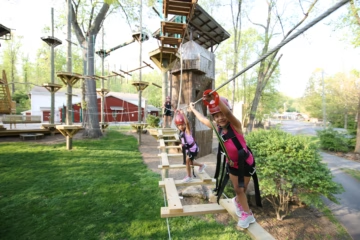
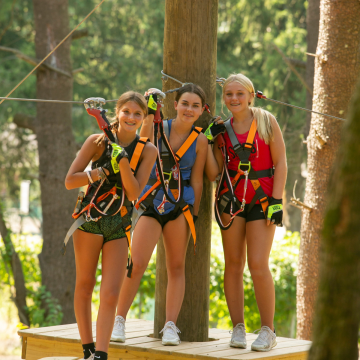
Aerial experiences (ziplines, high ropes): Managing fear of height. Trusting equipment. Letting go of control.
Your child who loves one of these might discover they love others. Or they’ll learn what doesn’t fit – which is equally valuable information.
Variety doesn’t scatter focus. It reveals what’s actually worth focusing on.
The 4th and 5th Grade Window
Research on youth development consistently shows this age as critical for sampling activities before preferences solidify.
A few years earlier, kids lack the physical coordination and cognitive capacity for complex outdoor experiences.
A few years later, peer influence, schedule pressure, and identity formation narrow their willingness to try new things.
But in grades 4 and 5? They’re physically capable. Cognitively ready. Still open to experiences that don’t fit their established identity.
This is the sampling window. Use it.
What Happens Without Variety
Your 4th grader tries hiking twice. Doesn’t love it. Concludes “outdoor activities aren’t for me.”
Five years later, a friend invites them rock climbing. They decline. “I’m not really an outdoor person.”
But they never tried climbing. Or caves. Or paddling. Or skiing.
They formed their identity around two experiences on one hiking trail.
That’s not preference. That’s insufficient data.
The PA Outdoor Adventure Pass removes the barrier to trying new things. One payment. Multiple environments. Permission to discover that “not liking hiking” doesn’t mean “not liking all outdoor activities.”
Two experiences on one trail shouldn’t define your child’s relationship with outdoors for life.
What This Looks Like Practically
Your child uses the pass to try skiing in winter. They discover they love speed and the feeling of controlling edges on snow.
In spring, they try rock climbing. Turns out they’re good at problem-solving routes. The fear of height doesn’t bother them as much as they thought.
Summer brings paddling. They learn to read water. To adjust their stroke. To work with currents instead of fighting them.
Fall means caves. Underground navigation. Darkness. A completely different type of awareness.
By the end of the year, they know what resonates. What challenges them in good ways. What doesn’t fit.
That’s not scattered focus. That’s informed preference based on actual experience.
Frequently Asked Questions
Won’t trying multiple activities prevent my child from getting good at any one thing?
In 4th adn 5th grade, sampling matters more than mastery. They’re building broad physical literacy and discovering genuine preferences. Getting “good” at one thing can come later, after they know which thing is worth committing to.
What if we try something and my child hates it?
That’s valuable information. Knowing what doesn’t fit is part of the discovery process. Cross it off the list and try the next experience.
Should we just focus on what my child already likes?
If they genuinely love one activity based on repeated exposure, great. But make sure that preference is based on trying alternatives, not just defaulting to the familiar.
What if my child says they’re “not outdoorsy”?
Test that conclusion. They might not be a hiker. But they might love being underground. Or on water. Or solving climbing routes. “Not outdoorsy” often means “hasn’t found their entry point yet.”
Does variety really matter if we already do outdoor activities?
If those activities are all the same type, all hiking, all water-based, all winter sports, you’re building narrow experience. Different environments require different skills and build different types of confidence.
How many different activities should a 4th or 5th grader try?
There’s no magic number. The goal is exposure to different types of environments – underground, vertical, water, winter, aerial – so they understand what outdoor recreation actually encompasses.
The Bottom Line
You can’t discover preferences without experiencing options.
Your child who “doesn’t like outdoor activities” based on two hiking experiences needs more data points. Different environments. Different challenges. Different ways to engage with the outdoors.
The pass gives them that. Caves. Climbing. Paddling. Skiing. Ziplines. Nature programs. Multiple experiences across Pennsylvania.
Not to make them “outdoorsy.” To give them enough varied experiences to form informed preferences.
One year of sampling. Multiple discoveries. Conclusions based on actual evidence.